
Why Your Dandruff Might Be a Sign of Copper Imbalance — and How Zinc Can Help

The Surprising Link Between Copper, Fungus, and Flaky Skin
If you’ve been battling stubborn dandruff, athlete’s foot, or recurring yeast infections — you might not think minerals have anything to do with it. But your body’s balance of copper and zinc plays a big role in how your skin and immune system handle fungus.
When copper builds up too much — a problem known as copper toxicity aka copper imbalance — it can actually throw off the body’s natural defense system and make it easier for fungus to thrive. And that can show up as dandruff, candida, or other annoying fungal issues.
Let’s break down how that happens, why zinc shampoos really do help, and how a simple hair mineral test can reveal what’s going on inside your body.
🦠 Dandruff, Candida, and Athlete’s Foot — What They All Have in Common
Even though these issues show up in different places, they all share a common thread: fungal overgrowth.
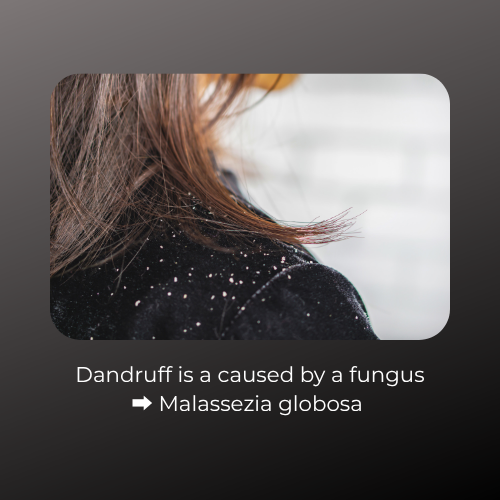
- Dandruff is mainly caused by a skin yeast called Malassezia, which feeds on the oils from your scalp. When it overgrows, it irritates the skin and causes itching and flakes.
- Candida (yeast infections, thrush, or gut overgrowth) happens when a normal yeast in your body gets out of control.
- Athlete’s foot is a fungal infection that loves warm, damp spots — like sweaty socks and shoes.
Normally, your body’s immune system and mineral balance keep these fungi in check. But when minerals like copper and zinc are out of balance, fungus can start to take over.
⚖️ How Excess Copper Throws the Body Off Balance
Copper isn’t “bad” — in fact, your body needs small amounts for energy, hormone balance, and immune health. The trouble starts when copper builds up faster than your body can use or detox it. This can happen due to:
- Long-term stress or birth control use (both can raise stored copper)
- Low zinc intake (zinc balances copper)
- Poor liver function or mineral detox pathways
- Environmental exposure from copper water pipes, water, or even supplements
When copper gets too high compared to zinc, it can mess with how your body fights off fungus and bacteria.
Here’s why:
- Fungi use metals to grow. Copper and zinc are essential for fungal metabolism. Too much copper can actually feed certain fungal species or weaken your immune response to them.
- Your immune system gets sluggish. High copper can reduce zinc — and zinc is crucial for white blood cell function, skin health, and keeping yeast in check.
- Inflammation goes up. Copper imbalance can create oxidative stress, which irritates the skin and gut, creating a perfect home for yeast.
So even if you’re using antifungal creams or shampoos, if your internal mineral balance is off, those fungi can keep coming back.
💧 Why Zinc-Based Shampoos Actually Work
Zinc shampoos — especially those containing zinc pyrithione — are some of the most effective dandruff treatments around.
Here’s what makes them special:
- They fight the fungus directly. Zinc pyrithione stops Malassezia yeast from growing on your scalp.
- They calm irritation. Zinc helps soothe inflammation and reduces itching.
- They rebalance metals on the skin. Research shows zinc pyrithione messes with the fungus’s ability to manage copper — basically overloading it until it can’t survive.
That’s why switching to a zinc-based dandruff shampoo (like Head & Shoulders or other natural zinc options) can make such a big difference.
And if you’ve had dandruff for years, it might not just be a scalp problem — it could be a sign your copper and zinc levels are off inside your body, too.
🧬 How Hair Mineral Testing (HTMA) Can Help
This is where hair mineral analysis (HTMA) comes in. It’s a simple, non-invasive test that measures minerals and metals stored in your hair over the past few months.
An HTMA can show:
- If your copper levels are high (or stored copper is building up)
- If your zinc is low, which often happens alongside high copper
- How your overall mineral pattern looks — giving clues about energy, stress, thyroid, and detox function
Balancing these minerals through diet and guided supplementation can help your body naturally control fungal growth, support the immune system, and reduce flare-ups of dandruff or candida from the inside out.
How to Support Copper Balance Naturally
You can start supporting healthy copper and zinc balance with a few simple steps:
- Use a zinc-based shampoo 2–3 times a week if you have dandruff or scalp flaking.
- Eat more zinc-rich foods like oysters, pumpkin seeds, beef, lentils, and chickpeas.
- Limit excess copper sources like unfiltered tap water (from copper pipes) or overusing multivitamins that already contain copper.
- Support your liver with nutrient-dense foods (leafy greens, cruciferous veggies, and clean proteins).
- Test, don’t guess. Get a Hair Analysis test (HTMA) before jumping into supplements.
Balancing minerals is a long game — but once you support that foundation, you often see better skin, steadier moods, and fewer recurring fungal issues.
Final Thoughts
Fungal problems like dandruff, athlete’s foot, and candida aren’t just skin-deep — they can reflect what’s happening inside your body. When copper builds up and zinc drops too low, your immune system and skin defenses weaken, giving fungi an open door.
Zinc shampoos can help on the surface, but long-term relief often comes from restoring your internal mineral balance. That’s where hair mineral testing can make a huge difference — helping you see what your body actually needs to get back into balance.
🔗 Test Today!
Support hormone balance with DUTCH testing.
Balance minerals and hormones with HTMA Hair Tissue Mineral Analysis.
Support gut health with GI Map testing.
(Note: This article is for educational purposes and not medical advice. Always discuss with a qualified practitioner.)
🧾 References
- Saunders CW et al., Malassezia Fungi Are Specialized to Live on Skin and Associated with Skin Disease, PLoS Pathogens, 2012.
- Borda LJ & Wikramanayake TC, Seborrheic Dermatitis and Dandruff: A Comprehensive Review, J Clin Investig Dermatol, 2015.
- Reeder NL et al., Zinc Pyrithione Inhibits Yeast Growth Through Copper Influx, PLoS ONE, 2011.
- García-Santamarina S & Thiele DJ, Copper at the Fungal Pathogen–Host Axis, Frontiers in Microbiology, 2015.
- Namkoong S et al., Reliability on Intra-Laboratory and Inter-Laboratory Data of Hair Mineral Analysis, Biol Trace Elem Res, 2013.


