Understanding LPS (Endotoxin):

The Hidden Driver of Inflammation in the Gut and Beyond
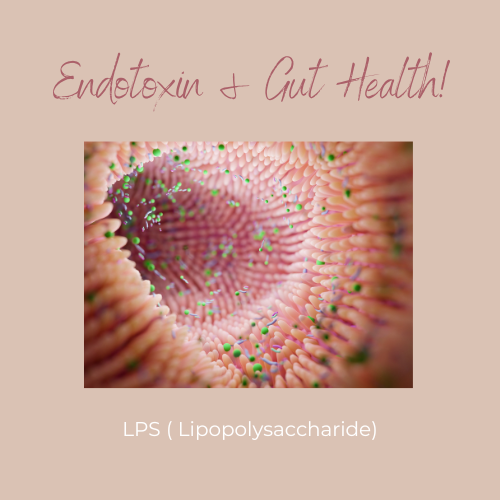
If you’ve been exploring gut health, inflammation, or hormone balance, you may have come across the term LPS (lipopolysaccharides). While it sounds complex, understanding LPS can help connect many of the symptoms people struggle with, especially those related to gut dysfunction and chronic inflammation.
What Is LPS?
LPS (lipopolysaccharide) is a structural component found in certain types of bacteria known as gram-negative bacteria, which are naturally present in the gut.
It forms part of the outer membrane of these bacteria and plays a role in protecting them. One portion of LPS, called lipid A, is responsible for its inflammatory and toxic effects in the body.
Because of this, LPS is commonly referred to as an endotoxin.
Why Does LPS Matter for Your Health?
In normal amounts, LPS is a natural and expected part of the gut environment. The issue arises when LPS moves outside of the gut and into the bloodstream.
When this happens:
- The immune system recognizes it as a threat
- An inflammatory response is triggered
- Effects can extend throughout the body
LPS is considered one of the most potent triggers of inflammation in the body.
How LPS Gets Into the Bloodstream
A healthy gut lining acts as a barrier, preventing harmful substances from entering circulation. However, when the gut barrier becomes compromised, LPS can pass through more easily.
This is often referred to as increased intestinal permeability, or “leaky gut.”
Factors that may contribute include:
- Gut dysbiosis (imbalanced bacteria)
- Poor diet patterns, particularly high-fat or processed foods
- Chronic stress
- Infections or underlying gut conditions
The gut is the primary source of LPS exposure in the body.
What Happens When LPS Is Elevated?
When LPS enters circulation, it can lead to a condition known as endotoxemia.
Short-term effects may include:
- Fatigue
- Brain fog
- Low mood
- General feelings of being unwell
Over time, chronic low-level exposure can contribute to:
- Persistent inflammation
- Metabolic dysfunction
- Blood sugar imbalance
- Increased risk for cardiovascular and autoimmune conditions
At very high levels, such as during severe infection, LPS can contribute to life-threatening inflammatory responses.
LPS and Chronic Inflammation
One of the most important aspects of LPS is its role in low-grade, chronic inflammation.
This type of inflammation is often subtle but can impact multiple systems in the body, including:
- Hormonal balance
- Digestive health
- Energy production
- Brain function
LPS has been associated in research with conditions such as obesity, depression, and neurodegenerative disorders.
Endotoxin (LPS) and Estrogen Dominance
An overlooked connection is the relationship between endotoxin and hormone balance, particularly estrogen.
When LPS levels are elevated, several things can happen:
1. Impaired Liver Detoxification
The liver is responsible for breaking down and clearing excess estrogen. LPS-driven inflammation can place extra stress on the liver, reducing its ability to efficiently detoxify hormones.
2. Increased Estrogen Recycling in the Gut
Gut bacteria play a major role in estrogen metabolism. Certain bacteria produce an enzyme called beta-glucuronidase, which can reactivate estrogen in the gut, allowing it to be reabsorbed instead of eliminated.
When dysbiosis and LPS are present:
- There may be increased beta-glucuronidase activity
- More estrogen gets recirculated
- This can contribute to a state of estrogen dominance
3. Inflammation and Hormonal Signaling
Chronic inflammation triggered by LPS can disrupt communication between hormones and their receptors. This may amplify symptoms even if hormone levels are only moderately elevated.
4. Slower Gut Motility
Constipation or sluggish digestion (often seen alongside gut dysfunction) can further increase estrogen reabsorption, compounding the issue.
Common Symptoms That May Overlap
When endotoxin and estrogen imbalance are both present, symptoms may include:
- Bloating and digestive discomfort
- Fatigue
- Brain fog
- PMS or heavy cycles
- Breast tenderness
- Difficulty losing weight
Insights from Raymond Peat on Endotoxin
Nutrition researcher Raymond Peat emphasized the importance of endotoxin (LPS) as a contributor to systemic stress and inflammation.
Key concepts from his work include:
- Endotoxin acts as a chronic stress signal in the body
- It can increase inflammatory mediators and stress hormones
- It may interfere with mitochondrial energy production
- It can promote the production of substances like nitric oxide and lactate, which can impair efficient metabolism
He also suggested that certain stressors, such as inadequate nutrition or prolonged fasting, may increase the absorption of endotoxin from the gut.
Overall, his perspective highlighted endotoxin as a factor that can reduce resilience and energy at a cellular level.
Can LPS Ever Be Beneficial?
Not all exposure to LPS is harmful. In small amounts, LPS plays a role in helping the immune system develop and regulate itself.
The goal is not to eliminate LPS entirely, but to maintain a healthy balance and prevent excessive amounts from entering circulation.
Supporting Healthy LPS Levels
Improving LPS-related health is largely centered around supporting the gut and reducing inflammation.
Helpful strategies include:
- Consuming fiber-rich and prebiotic foods to support beneficial bacteria
- Using probiotics when appropriate to improve microbial balance
- Eating polyphenol-rich foods such as fruits, vegetables, and herbs
- Including healthy fats, especially omega-3 fatty acids
- Managing stress through lifestyle practices
The primary focus should be:
- Strengthening the gut barrier
- Supporting a balanced microbiome
- Reducing systemic inflammation
Final Thoughts
LPS is a natural component of the gut microbiome, but when it enters the bloodstream, it can act as a powerful trigger for inflammation.
It can also play a meaningful role in hormone imbalance, particularly estrogen dominance, through its effects on the gut, liver, and inflammatory pathways.
Maintaining gut integrity and microbial balance is key to keeping LPS in its proper place and reducing its impact on overall health.
Test Today!
Support hormone balance with DUTCH testing.
Balance minerals and hormones with HTMA Hair Tissue Mineral Analysis.
Support gut health with GI Map testing.
Note: This article is for educational purposes and not medical advice.
References
- SelfHacked. How to Reduce Lipopolysaccharides (LPS). https://selfhacked.com/blog/reduce-lipopolysaccharides/
- Your Health Magazine. Unlocking the Secrets of LPS: What You Need to Know for Better Health. https://yourhealthmagazine.net/article/complementary-integrative-healthcare/unlocking-the-secrets-of-lps-what-you-need-to-know-for-better-health/
- StatPearls / NCBI. Lipopolysaccharide Overview.
- FunctionalPS (Raymond Peat writings). Ray Peat, PhD on Endotoxin.
health #wellness #holistichealth #functionalmedicine #rootcause #naturalhealth #wellnesstips #guthealth #leakygut #digestivehealth #microbiome #guthealing #guthealthmatters #healyourgut #inflammation #chronicinflammation #endotoxin #lps #immunehealth #inflammationrelief #hormonehealth #hormonebalance #estrogendominance #womenshealth #hormonehealing #pmsrelief #bloating #brainfog #fatigue #autoimmune #metabolichealth #healthblog #healthtips #wellnessblogger #holisticwellness #functionalnutrition #steppingstones