
🌸 Progestins Are Not Progesterone — Why USP Micronized Progesterone Is a Better Choice

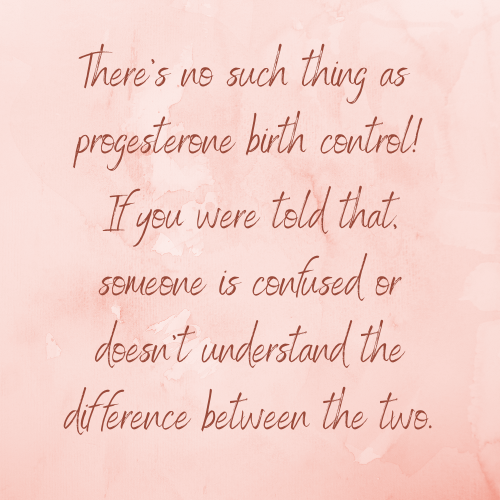
If you’ve been reading up on hormones, contraception, or hormone therapy, you’ve probably come across the term progestin. They’re synthetic compounds modeled after progesterone and used in everything from birth control to hormone replacement therapy.
But here’s the truth: progestins are not progesterone — and your body knows the difference.
While both interact with progesterone receptors, only USP (United States Pharmacopeia) micronized progesterone is chemically identical to what your body naturally produces.
💊 What Are Progestins — and Why Are They Used?
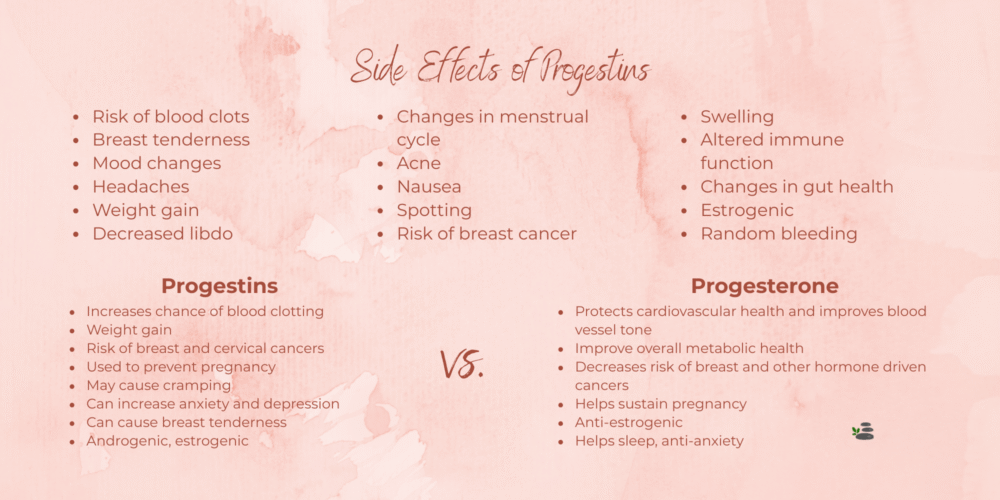
• Progestins are synthetic versions of natural progesterone. They bind to progesterone receptors but may also cross-react with androgen, glucocorticoid, or mineralocorticoid receptors.
• They’re commonly used in contraceptives, endometriosis treatment, and menopausal hormone therapy.
• Because their molecular structure varies (some are testosterone-derived), their side effects and risk profiles differ significantly.
⚠️ Common Side Effects of Progestins
- Irregular Bleeding or Spotting — frequent with progestin-only methods due to endometrial thinning.
- Weight Gain & Fluid Retention — most pronounced with DMPA (Depo-Provera) injections.
- Mood Swings or Depression — due to non-selective receptor activity in the brain.
- Unfavorable Lipid Changes — androgenic progestins can decrease HDL and increase LDL.
- Acne & Hair Growth (Hirsutism) — common with testosterone-derived progestins.
- Bone Density Loss — chronic DMPA use (>2 years) may reduce BMD.
- Clotting Risk — higher when combined with estrogen in oral contraceptives.
🌸 Why USP Micronized Progesterone Is Different — and Better
Unlike synthetic progestins, USP micronized progesterone is bioidentical — meaning it has the exact same molecular structure as human progesterone. This allows your body to recognize and utilize it efficiently, producing beneficial metabolites rather than synthetic byproducts.
🔬 Proven Benefits of USP Micronized Progesterone
✅ Supports Mood & Calmness — Boosts GABA receptor activity in the brain, reducing anxiety and improving sleep quality.
✅ Balances Estrogen — Counteracts estrogen dominance and protects the uterine lining from overgrowth.
✅ Improves Sleep Quality — Acts on GABA-A receptors, promoting deeper and more restorative sleep.
✅ Heart-Protective — Unlike many synthetic progestins, it doesn’t negate estrogen’s positive cardiovascular effects.
✅ Supports Bone Health — Promotes bone formation and helps prevent osteoporosis.
✅ Metabolically Neutral — Does not promote insulin resistance or significant weight gain.
✅ Neuroprotective — Encourages myelin repair and protects neural tissue, especially post-menopause.
✅ Safe Coagulation Profile — No known increase in thromboembolic (clotting) risk.
🌿 Why Many Functional & Integrative Clinicians Prefer USP Progesterone
Because progestins were created for patentability — not biological harmony — they can interact unpredictably with multiple receptors, causing metabolic and mood-related side effects.
In contrast, USP micronized progesterone:
- Is bioidentical and physiologically compatible
- Has minimal side effects when used properly
- Improves sleep, mood, and hormonal stability
- Is pharmaceutical-grade and standardized for potency
- Can be compounded or prescribed in oral, transdermal, or vaginal forms for optimal absorption
Many women transitioning from synthetic progestins to USP progesterone report improved energy, better emotional stability, more restorative sleep, and a more natural menstrual rhythm.
🩺 Functional Testing for Personalized Balance
For optimal results, consider pairing hormone therapy with functional testing like:
- DUTCH Test – evaluates estrogen, progesterone, cortisol, and adrenal rhythm
- HTMA (Hair Tissue Mineral Analysis) – identifies mineral imbalances that influence hormone metabolism
Together, these tests help tailor dosing and reveal deeper root-cause imbalances in stress response, thyroid, and adrenal function.
🌸 Final Thoughts
🔗 Test Today!
Support hormone balance with DUTCH testing.
Balance minerals and hormones with HTMA Hair Tissue Mineral Analysis.
Support gut health with GI Map testing.
(Note: This article is for educational purposes and not medical advice. Always discuss with a qualified practitioner.)
📚 References (PubMed / NCBI / PMC)
- Stanczyk FZ, Hapgood JP, Winer S, Mishell DR. Progestogens used in postmenopausal hormone therapy: differences in their pharmacological properties, intracellular actions, and clinical effects. Endocr Rev. 2013;34(2):171-208. [PubMed PMID: 23209194]
- Prior JC. Progesterone for symptom control and cardiovascular protection in perimenopause. Climacteric. 2018;21(4):358-365. [PubMed PMID: 29985739]
- Leonetti HB, et al. Transdermal progesterone cream for vasomotor symptoms and sleep: a randomized, double-blind, placebo-controlled study. Obstet Gynecol. 2005;105(4):853–862. [PubMed PMID: 15802401]
- Sitruk-Ware R. Progestins and progesterone in hormone replacement therapy and contraception: pharmacology and clinical applications. Climacteric. 2002;5(4):269–276. [PubMed PMID: 12587519]
- Foidart JM, et al. Comparison of effects of different progestagens in combined estrogen/progestagen therapy on lipids and hemostasis. Climacteric. 2000;3(Suppl 2):23–31. [PubMed PMID: 11379345]
- Berga SL. The brain and the reproductive system: neuroendocrine integration. Fertil Steril. 2013;99(3):867–877. [PubMed PMID: 23312222]
- Simon JA. Micronized progesterone: vaginal and oral uses. Clin Obstet Gynecol. 1995;38(4):902–914. [PubMed PMID: 8612347]
- Kaunitz AM. Depot medroxyprogesterone acetate and bone mineral density: what’s the real risk? Contraception. 2008;77(2):67–70. [PubMed PMID: 18226664]


