
Overhydration: When Drinking Too Much Water Is Actually Dehydrating You

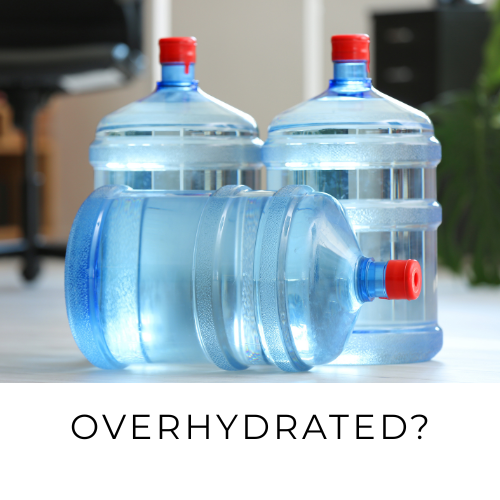
We’ve all seen it — or been it.
Someone walking around with a giant emotional-support water bottle, sipping water all day long, convinced they’re doing their health a favor. 💧
“Hydration is everything,” right?
Well… not exactly.
What most people don’t realize is that hydration isn’t just about water — it’s about minerals. And drinking too much plain water can actually dehydrate you at the cellular level, disrupt digestion, and strip your body of critical minerals.
Water Alone Does Not Equal Hydration
True hydration happens inside your cells, not just in your water bottle.
Your body relies on electrolytes and minerals — primarily:
- Sodium
- Potassium
- Magnesium
- Calcium
These minerals regulate:
- Fluid balance
- Nerve signaling
- Muscle contraction
- Blood pressure
- Stomach acid production
- Cellular energy
Without enough minerals, water doesn’t properly enter your cells. Instead, it can flush right through you, taking minerals with it.
That’s why people who “drink tons of water” often still experience:
- Dry mouth or lips
- Frequent urination
- Fatigue
- Dizziness
- Muscle cramps
- Headaches
⚡You’re not hydrated — you’re diluted.
The Hidden Problem With Overhydration
Drinking excessive amounts of plain water can lead to a state called hypotonic hydration, where fluid intake exceeds mineral availability.
Overhydration can:
- Dilute blood sodium levels
- Increase mineral loss through urine
- Stress the kidneys
- Reduce stomach acid
- Slow digestion
- Disrupt electrolyte balance
In extreme cases, this can even lead to hyponatremia (dangerously low sodium levels).
But even mild, chronic overhydration can quietly cause problems — especially for women, athletes, and anyone under stress.
How Overhydration Affects Digestion
This part is rarely talked about.
Drinking large amounts of water — especially with meals — can:
- Dilute stomach acid (HCl)
- Reduce enzyme efficiency
- Slow protein breakdown
- Increase bloating and reflux
- Contribute to nutrient malabsorption
Stomach acid is mineral-dependent. Low sodium, zinc, and chloride = weak digestion.
More water doesn’t mean better digestion.
Balanced minerals = better digestion.
Minerals: The Missing Piece of Hydration
Minerals act like gatekeepers, allowing water to move into cells where it actually does its job.
That’s why:
- Athletes use electrolytes
- IV fluids contain sodium and minerals
- Breastmilk and blood plasma are mineral-rich
Sea Salt Matters
High-quality unrefined sea salt provides:
- Sodium (essential for hydration)
- Trace minerals that support cellular balance
Adding a pinch of sea salt to water can dramatically improve hydration — especially for people who drink a lot of water or sweat regularly.
Why Hair Tissue Mineral Analysis (HTMA) Is Key
If hydration is about minerals, then it makes sense to measure minerals — not guess.
Hair Tissue Mineral Analysis (HTMA) shows:
- Long-term mineral patterns
- Sodium/potassium balance
- Calcium/magnesium ratios
- Stress and adrenal trends
- Fluid retention vs dehydration patterns
HTMA often reveals that people who “drink a ton of water” are actually:
- Low in sodium or potassium
- Retaining fluid
- Mineral depleted
- Functionally dehydrated
⚡ Hydration is individual, and HTMA helps personalize it.
Not All Water Is Created Equal
✔️ Spring Water: The Best Choice
Natural spring water contains:
- Bioavailable minerals
- Balanced electrolytes
- Natural structure from the earth
This is the closest match to what humans evolved drinking.
⚠️ Reverse Osmosis (RO) & Distilled Water: The Downsides
While often marketed as “pure,” these waters:
- Remove all minerals
- Can pull minerals from the body
- Increase urinary mineral loss
- Require remineralization to be safe long-term
Without added minerals, these waters can contribute to chronic mineral depletion.
⚠️ Alkaline Water: Not Always Helpful
Alkaline water:
- Can neutralize stomach acid
- May impair digestion over time
- Doesn’t correct mineral imbalances
- Often uses isolated minerals rather than natural balance
Your body tightly regulates blood pH — alkaline water doesn’t “fix” acidity issues at the root.
⚠️ Hydrogen Water: Limited Benefits
Hydrogen water:
- Has short-lived antioxidant effects
- Does not address mineral status
- Often very expensive for minimal return
Hydration still depends on electrolytes, not hydrogen gas.
How Much Water Should You Actually Drink?
A simple, practical guideline:
💧 Drink slightly less than half your body weight in ounces per day
Example:
- 150 lb person → ~65–70 oz/day
Adjust for:
- Activity level
- Climate
- Mineral intake
- Stress levels
And remember — more is not better.
Final Thoughts
If you’re walking around all day with a massive water bottle and still feel tired, bloated, dizzy, or thirsty — the issue probably isn’t water.
It’s minerals.
Hydration is about:
- Electrolyte balance
- Cellular function
- Digestive support
- Individual mineral needs
Sometimes the most healing thing you can do is:
- Drink less water
- Add minerals
- Choose better water
- Test instead of guessing
Test Today!
Support hormone balance with DUTCH testing.
Balance minerals and hormones with HTMA Hair Tissue Mineral Analysis.
Support gut health with GI Map testing.
Note: This article is for educational purposes and not medical advice.
References
- Popkin BM, et al. Water, hydration, and health. Nutrition Reviews.
- Jeukendrup AE, Gleeson M. Sport Nutrition: An Introduction to Energy Production and Performance.
- DiNicolantonio JJ. The Salt Fix.
- Costill DL, et al. Effects of water ingestion on gastric emptying and digestion.
- World Health Organization. Electrolytes in Drinking Water.
- Watts DL. Trace Elements and Other Essential Nutrients.
- Manz F, Wentz A. Hydration status in the healthy population.
#hydrationmyths #mineralbalance #htma #electrolytes #functionalnutrition #womenshealth #digestionhealth #seasalt #springwater #wellnesstruths #steppingstones #hairanalysis


