
Anxiety, Mineral Deficiencies, & How HTMA Hair Analysis Can Help

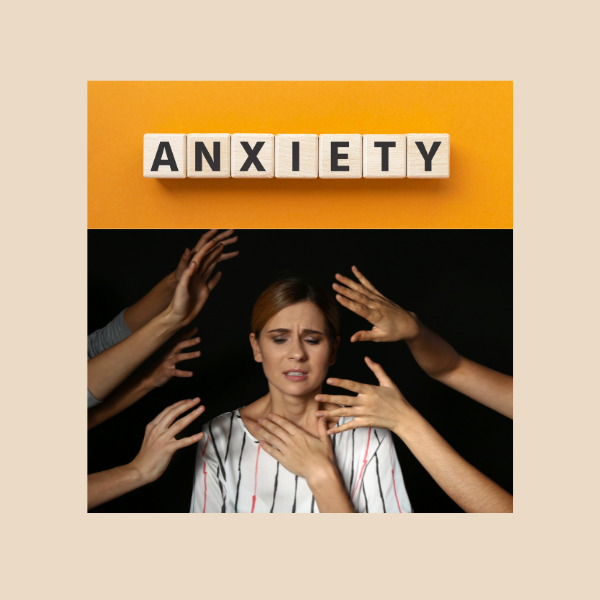
We’ve all felt anxious at some point—racing thoughts, a pounding heart, maybe even a full-blown panic attack. While stress, hormones, and life circumstances definitely play a role, did you know that mineral deficiencies can also fuel anxiety?
If your body is running low on key minerals, your nervous system can get out of balance, making you feel more on edge. And that’s where HTMA (Hair Tissue Mineral Analysis) testing can be a game-changer.
Why Minerals Matter for Anxiety
Minerals are like spark plugs for your body. They regulate your nervous system, hormones, and even your ability to handle stress. If they’re out of balance, your mood often follows.
Here are a few mineral imbalances commonly linked to anxiety:
- Magnesium deficiency → makes it harder to relax muscles, regulate cortisol, and calm the nervous system.
- Low calcium → can lead to overstimulation of nerves, racing thoughts, and poor sleep.
- Low zinc / high copper → this imbalance is often connected to mood swings, irritability, and anxious energy.
- Potassium imbalance → affects adrenal health, energy stability, and your ability to cope with stress.
When these minerals aren’t balanced, your brain and body basically stay in “fight or flight” mode—hello, anxiety.
The Problem with Guessing
You could try random supplements, but without knowing your actual mineral status, it’s like throwing darts in the dark. Too much of one mineral can throw off another, and before you know it, you feel worse instead of better.
That’s why testing matters.
How HTMA Hair Analysis Testing Helps
Hair Tissue Mineral Analysis (HTMA) looks at your hair to see what minerals (and heavy metals) are stored in your tissues over the past few months. Unlike a blood test, which shows what’s circulating in the moment, HTMA gives a long-term picture of your mineral balance.
With HTMA, you can:
- Spot deficiencies in calming minerals like magnesium, calcium, or zinc.
- Detect high copper, aluminum, or other metals that can worsen anxiety.
- See adrenal and thyroid mineral patterns that affect energy and stress.
- Get a roadmap to restore balance with diet and lifestyle changes.
Think of it as a blueprint for your body’s mineral story.
Supporting Your Body Naturally
Once you know your mineral profile, you can make targeted changes to support your nervous system. Common steps include:
- Eat mineral-rich foods like leafy greens, nuts, seeds, and grass-fed proteins.
- Balance copper and zinc through diet or guided supplementation.
- Reduce stimulants (too much caffeine can drain magnesium and fuel anxiety).
- Support adrenal health with steady meals, rest, and mindful stress management
Alongside minerals, certain herbal remedies can provide gentle, natural support for easing anxiety. Herbs like ashwagandha, passionflower, and chamomile have been shown to calm the stress response and promote relaxation. Think of them as helpful allies—but their effects are strongest when your minerals are balanced. This is why HTMA is so valuable: it helps you uncover the mineral imbalances that may be driving your anxiety, so that herbs and other supports can work even better.
The best part? When your minerals are in balance, you’re not just treating anxiety symptoms—you’re supporting your body at the root level.
Final Thoughts
Anxiety isn’t all in your head—sometimes, it’s in your mineral balance. If you’ve been struggling with anxious thoughts, panic, or constant stress, HTMA hair analysis testing can help uncover hidden deficiencies and imbalances.
By restoring your minerals, you can give your nervous system the tools it needs to finally feel calm and steady again.
Your body wants balance—and when it has it, peace of mind often follows.
Learn about HTMA Hair Analysis Testing here!


