
How Your Thyroid, Progesterone, and Minerals Work Together to Keep You in Balance

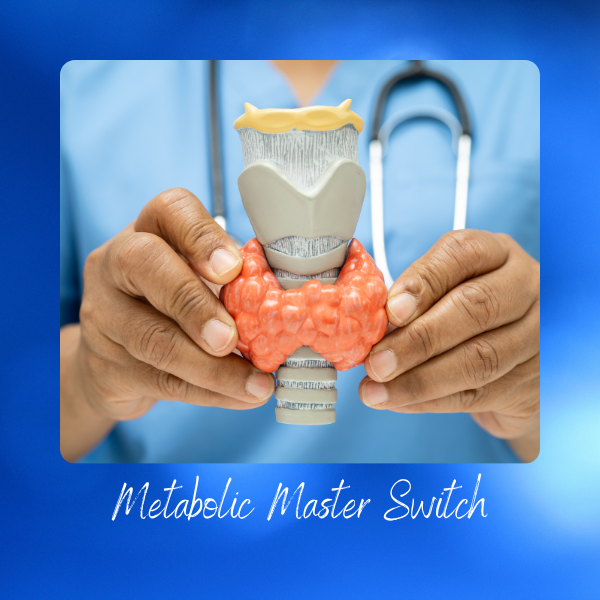
✨Your Thyroid: The Metabolic “Master Switch”
If your energy feels flat, your mood dips for no clear reason, or your metabolism just isn’t what it used to be, your thyroid might be at the center of it all.
This tiny butterfly-shaped gland in your neck controls how your body uses energy, burns fat, regulates hormones, and even detoxes. When it slows down, everything else does too — digestion, hormones, mood, and yes, your ability to handle stress.
The thyroid doesn’t work alone, though. It’s closely tied to your sex hormones, adrenal function, and mineral balance — all of which are part of one big feedback system that keeps your metabolism steady.
✨Ray Peat’s Take: Progesterone and Thyroid Go Hand-in-Hand
Biologist Dr. Raymond Peat spent decades studying how hormones interact. His work emphasized the partnership between progesterone and thyroid hormones, especially in women dealing with estrogen dominance, fatigue, or slow metabolism.
Peat believed that estrogen tends to slow down the thyroid, while progesterone helps free it up — improving energy, mood, and metabolic rate.
When progesterone is low (and estrogen runs the show aka Estrogen Dominance), your thyroid struggles to release hormones efficiently. That can lead to weight gain, bloating, fatigue, and poor detox — what many women call “feeling stuck.”
By bringing progesterone levels back into balance, thyroid hormone release can improve naturally. Peat often said progesterone and thyroid hormone “support each other,” helping to restore metabolic energy, calm inflammation, and reduce estrogen overload.
✨Why the Thyroid Matters So Much
The thyroid controls your metabolic rate — basically how efficiently every cell in your body turns food into energy. It affects your digestion, detox pathways, nervous system, and how your body clears hormones like estrogen and cortisol.
Here’s why it’s such a key player in three common health struggles:
1. Estrogen Dominance
When the thyroid is sluggish, the liver doesn’t clear estrogen properly. This allows estrogen to build up, which can cause PMS, mood swings, and water retention. Estrogen itself also suppresses thyroid function — so it becomes a frustrating cycle of low thyroid → high estrogen → lower thyroid again.
2. Poor Detoxification
Thyroid hormones keep your liver enzymes working efficiently. Without enough thyroid activity, detox slows down — toxins and used hormones linger in circulation, adding to fatigue, brain fog, and skin issues.
3. Adrenal Fatigue
Your adrenals and thyroid talk to each other constantly. When you’re under long-term stress, cortisol rises and your body may slow thyroid hormone conversion to save energy. Supporting thyroid function can actually help calm the adrenals and rebuild resilience.
✨Hair Analysis: The Missing Piece in Thyroid Support
Bloodwork can show how your thyroid looks today, but it doesn’t always tell the whole story.
That’s where Hair Analysis Testing (HTMA) can help. Your hair stores mineral patterns over a few months, offering insight into your long-term metabolism and stress response.
For example:
- Low potassium or sodium ratios can suggest sluggish adrenal-thyroid activity.
- High calcium relative to potassium (“calcium shell”) often points to slowed thyroid output.
- Heavy metals or mineral imbalances can block proper thyroid hormone conversion.
By spotting these trends, HTMA can guide nutritional changes — like adding magnesium, zinc, or selenium — that help your thyroid function more efficiently. It’s non-invasive, affordable, and adds another layer to understanding what’s really going on.
✨Simple Tools: Tracking Temperature and Pulse
Before fancy labs, doctors like Broda Barnes used basal body temperature as a window into thyroid health.
You can do the same: take your temperature under your arm right after waking up, before getting out of bed. Ideally, it should sit around 97.8–98.2°F. Consistently lower numbers may suggest slower metabolism.
Your resting pulse (after a few minutes of sitting still) gives another clue. A very low pulse — say in the 50s — often points to slower thyroid function, while a steady pulse in the mid-70s usually reflects healthy metabolism.
Ray Peat often encouraged tracking both over time. If your temperature and pulse rise slightly as you work on thyroid or progesterone support, it’s a good sign your metabolism is waking back up.
✨Putting It All Together
Healing your thyroid — and by extension your hormones and energy — isn’t about one magic supplement. It’s about reconnecting the pieces that work together:
- Balance hormones naturally: Support progesterone (through lifestyle, diet, or bioidentical supplementation if needed).
- Check your minerals: Use HTMA to uncover deficiencies or toxic loads blocking your thyroid.
- Track your trends: Record temperature and pulse for a few weeks to see how your metabolism shifts.
- Nourish your body: Eat balanced meals with enough protein, whole-food carbs, and thyroid-friendly nutrients like selenium, zinc, and iodine.
- Manage stress: Calming the nervous system supports both adrenals and thyroid long term.
With a bit of awareness and consistent tracking, you can start to see how your hormones, minerals, and metabolism all connect — and how small shifts can create lasting changes in your energy and wellbeing.
🔗 Test Today!
Balance minerals and hormones with Hair Analysis Testing (HTMA).
Support hormone balance with DUTCH testing.
Support gut health with GI Map testing.
(Note: This article is for educational purposes and not medical advice. Always discuss with a qualified practitioner.)
References
- Ray Peat, PhD — Progesterone Summaries (raypeat.com)
- Ray Peat on Thyroid, Temperature, Pulse and TSH (functionalps.com)
- Thyroid: Therapies, Confusion, and Fraud — Ray Peat (raypeat.com)
- A New Perspective on Thyroid Hormones: Crosstalk with Reproductive Hormones (PMC)
- Hair Mineral Analysis Testing for Thyroid Health (My Infinite Wellness)
- How HTMA Mineral Ratios Influence Female Hormones (Heidi Toy Functional Medicine)
- Basal Temperature / Broda Barnes Method (Wikipedia)


