
Inulin: The Gut-Feeding Fiber That Supports Hormone Balance

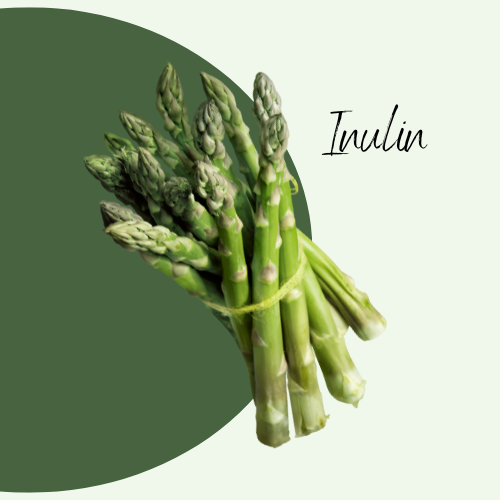
If you’ve ever wondered how to naturally support your gut and hormones, there’s one underrated nutrient that deserves the spotlight — inulin. It’s not a supplement or some exotic superfood — it’s a type of soluble fiber found in everyday plants that your body can’t digest, but your good gut bacteria love.
What Is Inulin and Why It Matters
Inulin is a prebiotic fiber, meaning it acts as food for your beneficial gut microbes — especially Bifidobacteria and Lactobacilli. These are the bacteria that help keep your gut lining strong, reduce inflammation, and support digestion and immunity.
Unlike regular carbs or sugars that get absorbed in your small intestine, inulin travels down to the large intestine where it ferments and becomes fuel for your microbiome. This fermentation process produces short-chain fatty acids (SCFAs) like butyrate, which nourish your colon cells and promote a healthy gut barrier.
How Inulin Supports Hormone Health
Your gut and hormones are more connected than most people realize. A balanced microbiome plays a major role in estrogen metabolism — largely through the estrobolome, a collection of gut bacteria that help process and eliminate excess estrogen.
Here’s how inulin helps:
- It feeds the beneficial bacteria that keep β-glucuronidase (an enzyme that can cause estrogen to recirculate) in check.
- By supporting healthy estrogen clearance, inulin may help with PMS, bloating, weight balance, and mood stability.
- Its SCFAs also reduce gut inflammation, which can otherwise throw hormones — including cortisol, insulin, and thyroid hormones — off balance.
In short: A healthy gut makes for happier hormones, and inulin helps set that stage.
Top Food Sources of Inulin
You don’t need to buy fancy powders — inulin is naturally found in many everyday foods:
- Chicory root (the richest source)
- Jerusalem artichokes (sunchokes)
- Garlic
- Onions
- Leeks
- Asparagus
- Dandelion greens
- Bananas (especially slightly underripe)
- Burdock root
If you’re looking for a daily boost, chicory root coffee or fiber powder can be an easy way to increase your intake — just start slow.
When You Shouldn’t Eat Inulin
While inulin is incredibly beneficial, it’s not for everyone — at least not at first.
Because it ferments in the gut, it can cause gas, bloating, and discomfort in some people, especially if you have:
- SIBO (Small Intestinal Bacterial Overgrowth)
- IBS (Irritable Bowel Syndrome)
- FODMAP sensitivities
If you struggle with these conditions, it’s best to avoid inulin-rich foods or supplements until your gut bacteria are balanced. Once your digestion improves, you can often reintroduce small amounts slowly.
Final Thoughts
Inulin is a natural, plant-based prebiotic that helps your gut thrive — and in turn, helps your hormones stay balanced. It’s one of the simplest ways to feed your microbiome, lower inflammation, and support your body’s natural detox pathways.
Just remember: start low, go slow, and listen to your body. A tablespoon too much can make the difference between feeling great or feeling gassy!
🔗 Test Today!
Support hormone balance with DUTCH testing.
Balance minerals and hormones with HTMA Hair Tissue Mineral Analysis.
Support gut health with GI Map testing.
(Note: This article is for educational purposes and not medical advice. Always discuss with a qualified practitioner.)


