
Molybdenum: The Little Mineral That Makes a Big Difference

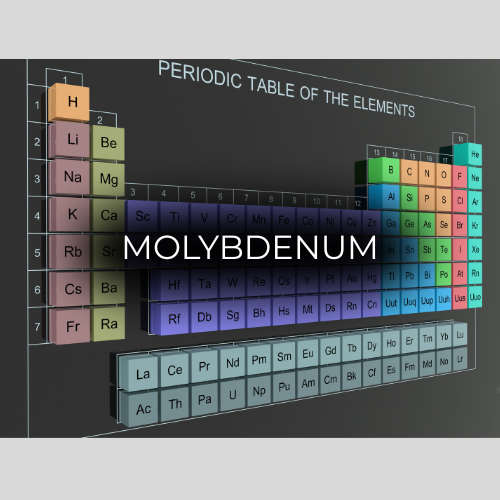
If you’ve never heard of molybdenum (say it “muh-LIB-duh-num”), you’re not alone — it’s one of those nutrients that rarely makes the headlines. But this quiet little mineral plays a surprisingly important role in how your body detoxes, processes nutrients, and keeps inflammation in check.
Let’s break down what it does, how to tell if you might be low, why it’s linked to gout and copper toxicity, and how hair mineral analysis can give you deeper insight into your mineral balance.
What Molybdenum Actually Does
Molybdenum is a trace mineral, which means your body only needs tiny amounts — but it’s crucial for several enzyme systems that keep things running smoothly.
These enzymes help your body:
- Break down sulfites (found naturally in foods and preservatives) so they don’t build up and cause reactions.
- Process and detoxify certain waste products, chemicals, and even medications.
- Support energy metabolism and DNA production.
In short, molybdenum acts like a helper — keeping your body’s cleanup crew working efficiently.
The Benefits
Even though it works quietly in the background, molybdenum supports several key areas of health:
- Detox Support: Helps your liver and enzymes clear out harmful compounds.
- Joint & Uric Acid Balance: Healthy molybdenum levels may help your body manage uric acid — which can reduce the risk of gout.
- Energy & Metabolism: Assists in breaking down nutrients from your food into usable energy.
- Enzyme Health: Keeps important chemical reactions in your body running smoothly.
Signs You Might Be Low
Deficiency is rare, but imbalances can happen — especially if your diet is limited or if other minerals (like copper) are off.
Possible signs your molybdenum might be out of balance:
- Feeling sluggish or “toxic” (slow detox or sensitivity to sulfites)
- Changes in hair texture or skin health
- Joint stiffness or inflammation
- Fatigue or brain fog
Most people get enough molybdenum from foods like beans, lentils, oats, nuts, leafy greens, and whole grains — but your individual balance can still shift depending on other mineral levels.
💡 The Gout Connection
Molybdenum helps control uric acid, the compound that builds up in gout.
Too little molybdenum may make it harder for your body to process uric acid, while extremely high amounts can also backfire and raise uric acid levels. It’s all about balance.
Recent research even suggests that people with higher normal molybdenum levels may have lower rates of gout and high uric acid — showing how this trace mineral helps keep things in check.
Molybdenum & Copper: A Delicate Dance
Molybdenum and copper work like a seesaw — when one goes up, the other can go down.
If you get too much molybdenum, it can lower your body’s copper levels. Low copper can cause fatigue, low iron, and changes in hair color or texture.
On the other hand, too much copper (known as copper toxicity) can make you feel wired, anxious, or inflamed — and molybdenum can help gently rebalance things by supporting copper metabolism.
This balance is especially important if you’ve had symptoms of copper overload or you’re taking supplements that affect trace minerals.
Why Hair Mineral Analysis Can Help
So how do you know where you stand? Blood tests don’t always show subtle mineral imbalances — that’s where hair analysis testing comes in.
Hair testing gives a snapshot of your long-term mineral patterns, showing how your body stores and excretes trace elements like molybdenum and copper over time.
It can help you:
- Identify if you’re low or high in certain minerals.
- See patterns that relate to fatigue, detox issues, or inflammation.
- Track your progress if you’re working on balancing minerals.
It’s not a diagnostic tool, but it’s a great starting point for understanding how your body manages minerals and toxins — especially when combined with symptoms, lab work, or other functional tests.
Simple Ways to Support Balance
You don’t need supplements to get enough molybdenum — a well-rounded diet does the trick for most people.
Try adding:
- Lentils, chickpeas, or black beans
- Oats and whole grains
- Leafy greens and root veggies
- Nuts and seeds
And if you’re dealing with gout, copper toxicity, or mineral imbalance, talk with a practitioner who understands hair analysis testing — it can help you personalize your plan safely.
Final Thoughts
Molybdenum might not be the star of the show, but it’s part of your body’s mineral crew — helping enzymes do their jobs, keeping uric acid in balance, and working hand-in-hand with copper to support your detox systems.
Sometimes the smallest minerals have the biggest impact.
🔗 Test Today!
Support hormone balance with DUTCH testing.
Balance minerals and hormones with HTMA Hair Tissue Mineral Analysis.
Support gut health with GI Map testing.
(Note: This article is for educational purposes and not medical advice. Always discuss with a qualified practitioner.)
References:
- National Institutes of Health Office of Dietary Supplements – Molybdenum Fact Sheet
- Cleveland Clinic Health Library – Molybdenum Overview
- PubMed: “Higher Urinary Molybdenum Levels Linked to Lower Risk of Hyperuricemia and Gout” (2024)
- Linus Pauling Institute, Oregon State University – Molybdenum
- Healthline – “What Is Molybdenum and Why Do You Need It?”
- WebMD – Molybdenum Overview
- Restorative Medicine Monograph – Molybdenum and Copper Relationship
#Molybdenum #TraceMinerals #GoutRelief #CopperToxicity #MineralBalance #HairAnalysis #DetoxSupport #HolisticHealth #FunctionalNutrition #WellnessBlog #HTMA #Minerals #steppingstoneshealth


