
Why Calcium and Gut Health Matter: A Complete Guide to a Foundational Mineral

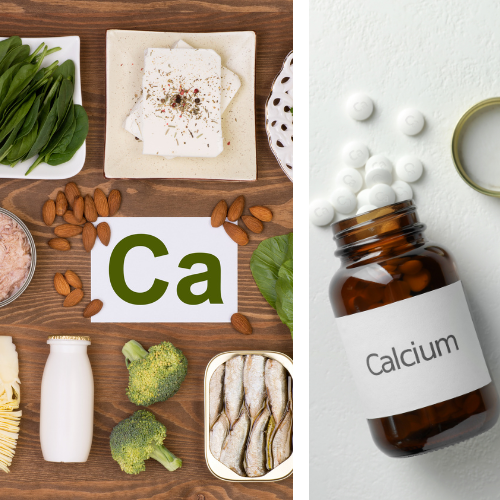
Calcium is often associated only with strong bones and teeth, but its role in the body goes far beyond skeletal health. Calcium is a foundational mineral that supports digestion, hormone balance, nerve signaling, muscle contraction, and overall metabolic function. Understanding how calcium works—especially its relationship with gut health and absorption—is key to long-term wellness.
What Calcium Does in Your Body
Calcium is an essential mineral that must come from food or supplementation because the body cannot produce it. While most calcium is stored in bones and teeth, a small but critical portion circulates in the blood and tissues, where it plays roles in:
- Muscle contraction and relaxation
- Nerve transmission and brain signaling
- Heart rhythm and blood vessel function
- Blood clotting and enzyme activation
- Cellular communication and hormone release
When calcium balance is disrupted, the body may pull calcium from bone stores to maintain these vital functions.
Calcium and Gut Health: A Two-Way Relationship
Calcium Absorption Begins in the Gut
Calcium absorption primarily occurs in the small intestine, making gut health essential for proper calcium status. A healthy gut lining and balanced microbiome help regulate how efficiently calcium is absorbed and utilized. Digestive issues such as inflammation, low stomach acid, or microbiome imbalances can interfere with calcium uptake—even when dietary intake appears adequate.
Calcium and Gut Barrier Integrity (Tight Junctions)
One of calcium’s lesser-known but critically important roles in gut health is its involvement in tight junction function.
Tight junctions are specialized protein structures that act like “gatekeepers” between intestinal cells. They regulate what is allowed to pass through the gut lining into the bloodstream—nutrients are absorbed, while harmful substances are kept out.
Calcium is required for:
- The formation and stability of tight junction proteins
- Proper cell-to-cell adhesion in the intestinal lining
- Maintaining selective permeability of the gut barrier
When calcium availability is insufficient or poorly regulated, tight junction integrity can weaken. This may contribute to increased intestinal permeability (often referred to as “leaky gut”), allowing partially digested food particles, toxins, and microbes to cross the gut barrier and trigger immune activation.
In this way, calcium supports not just digestion, but immune balance, inflammation control, and gut integrity.
Calcium and Acid–Alkaline Balance
While the body tightly regulates blood pH, calcium plays a role in buffering acids within the digestive system and supporting mineral balance. Diets high in processed, acid-forming foods may increase calcium loss, while diets rich in vegetables, fruits, and mineral-dense foods support a healthier internal environment. This is why calcium is often discussed in relation to maintaining acid–alkaline balance in the body.
Calcium and Hormone Balance
Calcium is deeply connected to the endocrine (hormone) system:
- Parathyroid hormone (PTH) and vitamin D regulate calcium absorption, storage, and release
- Estrogen and other sex hormones influence calcium deposition in bone, increasing needs during perimenopause and menopause
- Calcium is required for cellular signaling that affects adrenal, thyroid, and nervous system function
Disruptions in calcium regulation can contribute to hormone imbalance, fatigue, mood changes, and metabolic stress.
Why Calcium Absorption Is Often the Missing Piece
Consuming enough calcium is only part of the equation—your body must be able to absorb and utilize it.
Factors That Support Calcium Absorption
- Adequate vitamin D levels
- Healthy gut lining and microbiome
- Proper stomach acid
- Smaller, divided doses throughout the day
- Balanced intake of supportive minerals like magnesium
Factors That Reduce Absorption
- Poor digestion or low stomach acid
- Gut inflammation or dysbiosis
- Compounds such as oxalates and phytates in certain plant foods
- Large, single doses of calcium
This explains why two people with similar calcium intake can have very different calcium status.
Calcium-Rich Food Sources
Whole foods are the preferred source of calcium whenever possible. Examples include:
- Dairy products: milk, yogurt, cheese
- Leafy greens: kale, broccoli, bok choy
- Fish with edible bones: sardines, canned salmon
- Fortified foods: plant milks and juices
- Nuts and seeds, especially almonds and sesame
Not all calcium sources are absorbed equally, and some plant foods contain compounds that reduce calcium bioavailability.
When Calcium Supplements May Be Needed
Certain life stages and conditions may increase calcium needs, including aging, menopause, digestive disorders, chronic stress, or increased physiological demand. In these cases, supplementation can be helpful when chosen appropriately.
Common Forms of Calcium Supplements
- Calcium Carbonate
High elemental calcium but requires adequate stomach acid and is best taken with meals - Calcium Citrate
More easily absorbed and less dependent on stomach acid, often better for sensitive digestion - Calcium Lactate and Calcium Gluconate
Lower elemental calcium but gentler on the digestive system - Powders, liquids, and chewables
Helpful for individuals who have difficulty swallowing capsules
For optimal absorption, calcium is typically best taken in doses of 500 mg or less at a time, often alongside food unless otherwise directed by a practitioner.
How Other Metals Can Interfere With Calcium
Calcium does not function in isolation. Its absorption and utilization can be significantly affected by the presence of other metals, especially when those metals are elevated or imbalanced.
Aluminum
A calcium antagonist that interferes with absorption and bone mineralization, potentially displacing calcium in bone tissue.
Copper
Essential in small amounts, but excess copper can disrupt calcium transport and increase nervous system stimulation, raising calcium demand.
Cadmium
Competes with calcium for intestinal absorption and increases calcium loss through the kidneys, impairing long-term calcium balance.
Lead
Mimics calcium and uses the same transport pathways, replacing calcium in bones and blocking calcium-dependent cellular signaling.
When these metals are elevated, a person may experience functional calcium deficiency even if intake or blood levels appear normal.
HTMA Hair Analysis and Calcium Status
Hair Tissue Mineral Analysis (HTMA) is used in functional and holistic health settings to assess long-term mineral patterns, including calcium and interfering metals such as aluminum, copper, cadmium, and lead.
Unlike blood tests, which reflect calcium levels at a single moment, HTMA may offer insight into how calcium has been regulated and deposited over time. When interpreted alongside symptoms, dietary intake, and conventional labs, HTMA can help practitioners understand why calcium may not be functioning optimally and guide personalized mineral-balancing strategies.
HTMA is not a standalone diagnostic tool, but it can provide valuable context when used appropriately.
Final Thoughts
- Calcium supports gut integrity, tight junction function, hormone balance, nerve signaling, and muscle function
- Healthy digestion is essential for calcium absorption and utilization
- The form of calcium—dietary or supplemental—matters
- Hormonal shifts and toxic metal exposure can disrupt calcium balance
- HTMA may help identify long-term mineral patterns and interferences
🔗 Test Today!
Support hormone balance with DUTCH testing.
Balance minerals and hormones with HTMA Hair Tissue Mineral Analysis.
Support gut health with GI Map testing.
Note: This article is for educational purposes and not medical advice.
References
PubMed – Gut Microbiota and Mineral Balance
NIH Office of Dietary Supplements – Calcium Fact Sheet for Consumers
National Academies of Sciences – Dietary Reference Intakes for Calcium
StatPearls – Calcium Supplementation and Absorption
PubMed – Vitamin D and Intestinal Calcium Absorption
ScienceDirect – Factors Affecting Calcium Bioavailability
PubMed – Calcium and Tight Junction Regulation in Intestinal Epithelium
Verywell Health – Nutrients That Support Calcium Absorption
#guthealth #leakygut #mineralbalance #calcium #hormonehealth #womenshealth #functionalnutrition #holistichealth #integrativehealth #rootcausehealing #digestivehealth
#microbiome #mineralnutrition #htma #hairmineralanalysis #hormonebalance #perimenopause #menopausehealth #detoxsupport #wellnesseducation #steppingstones


