
Single Red Lamp: How One Could Help Your Sleep and Nervous System

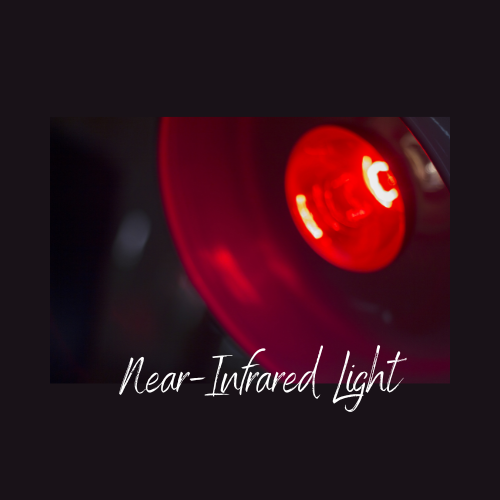
It sounds quirky — but there’s a growing stack of observations (and some emerging science) behind using a single red-heat lamp (or red/near-infrared light) as a low-cost way to support relaxation, sleep, circulation, and your nervous system’s “rest & digest” mode. Below is a breakdown of how it works, what the research suggests, and how you might build your own at home (budget-friendly style).
Why “Single Red Lamp” Therapy Even Makes Sense
At first glance, red light therapy tends to evoke big panels, full-body beds, or fancy spa equipment. But the idea behind a single lamp is simpler: you use a 250-watt (or similar) reddish/incandescent-style heat bulb pointed at bare skin for a set time daily.
This concept, popularized by Dr. Lawrence Wilson, is sometimes described as “a nutrient therapy” of sorts: a lamp shining frequencies our bodies “need” that improve circulation, oxygenation, hydration, and nervous system relaxation.
Cellular Energy & Circulation
Red,near-infrared lamp (~600–900 nm wavelengths) can penetrate skin and are absorbed by cellular mitochondria — the “power plants” of cells. That uptake boosts ATP production, improves microcirculation (blood flow), and supports tissue oxygenation. With better microcirculation and tissue energy, you get improved healing, reduced stagnation, and better overall flow.
Nervous System Calming and Parasympathetic Activation
This sort of light therapy appears to shift nervous-system balance toward the parasympathetic (“rest & digest”) side, away from the sympathetic (“fight or flight”) side. Studies using low-level red-light therapy over the spine have shown measurable changes in heart-rate variability (HRV) that indicate improved parasympathetic activity and reduced stress load.
Other wellness experts note that red lamp therapy tends to exert a calming effect on the nervous system — decreasing stress responses and improving recovery balance. So, if you’re living high-stress, wired, with poor sleep or poor “down-time,” this could be one more tool in the toolkit.
Sleep-Supporting Effects
Because better parasympathetic tone and calmer nervous system function improve the chances of deeper, more restorative sleep, red-light therapy has also been investigated for its potential to improve sleep quality. Some reviews have noted improved melatonin levels and subjective sleep quality.
While proof of the benefit for sleep is still emerging, the logic holds: calm the nervous system, support parasympathetic dominance, improve circulation and mitochondrial health — all of these feed into healthier sleep architecture.
How This Applies for Sleep & Your Parasympathetic Nervous System
Putting it all together:
- If you’re chronically stressed, your sympathetic nervous system (“fight or flight”) may dominate, meaning your parasympathetic system (“rest & digest”) struggles.
- That imbalance can show up as poor sleep, digestion issues, low resilience, or reduced recovery.
- A red lamp session (bare skin exposure to red/near-infrared light) may help shift the nervous-system balance toward parasympathetic dominance.
- Better parasympathetic tone → improved relaxation, slower heart rate, better vagal-nerve activity, better digestion, and improved sleep initiation and maintenance.
- For sleep specifically: use the red lamp session as part of your wind-down in the hour or so before bed. The red light won’t suppress melatonin (unlike blue light) and may help signal to your body: “Hey — time to shift into rest mode.”
It’s not a guaranteed cure for insomnia, but as part of a sleep-friendly routine (darkness after lamp, low screen exposure, cool room, consistent schedule), it offers support for the underlying physiology of rest and recovery.
DIY: How to Build a Budget-Friendly “Single Red Lamp” Setup
Here’s a simple, low-cost way to set up your own red lamp therapy at home — based on tutorials by Jessica Espinoza and Dr. Lawrence Wilson.
Materials You’ll Need
- A 250-watt red (heat) incandescent bulb — reddish or deep-red color, not clear halogen, LED, or regular white.
- A clamp-on socket (porcelain or ceramic, rated for 250 W) with a cord and switch to mount safely.
- Optional: a mesh or wire guard to prevent accidental contact or burns.
- A timer to prevent overuse — set a kitchen timer or phone alarm.
Setup & Usage
- Clamp or mount the socket so the bulb is 18–30 inches (45–75 cm) away from your bare skin (abdomen, chest, or back).
- Expose bare skin directly — avoid clothing blocking the light.
- Start with short sessions (10–15 minutes) and gradually work up to one hour.
- Adjust distance if heat feels too intense; skin should feel comfortably warm, not hot.
- Best done in the evening as part of your wind-down routine.
- Always use caution: avoid direct exposure to eyes and check with a healthcare professional if pregnant or managing health conditions.
Example Cost Breakdown
- Red 250W heat lamp bulb: about $6–12 USD
- Clamp-on socket: about $10–20 USD
- Total budget: around $20–30 for a full setup (excluding optional timer or guard).
🕒 When’s the Best Time to Use a Single Red Light?
Evening or Before Bed
The best time for most people to use red light is in the evening, within 1–2 hours before bedtime.
- Red and near-infrared light do not suppress melatonin like blue light.
- The warmth and gentle stimulation activate your parasympathetic system, helping you unwind and prepare for sleep.
- Use it while reading, meditating, or stretching to help cue your body for rest.
Morning Use for Energy & Mood
If you struggle with low mood or sluggish mornings, a short red-light session soon after waking can also be beneficial.
- Morning exposure can boost mitochondrial energy production and circulation.
- Especially useful during darker months with limited sunlight.
Post-Workout Recovery
Using red lamp after exercise may help reduce muscle soreness and inflammation. Improved circulation and cellular repair may speed recovery when used within 30–60 minutes post-workout.
Summary:
- For sleep and nervous system relaxation → evening is best.
- For energy and mood → early morning can be helpful.
- Avoid using it too close to bedtime if you’re heat-sensitive.
Consistency matters more than perfection — aim for regular sessions (15–30 minutes, 4–6 days a week).
Final Thoughts
Using a single red lamp might sound a little “biohacker‐ish,” but when you strip away the marketing hype, the underlying physiology is entirely plausible: light absorption → better cellular energy & circulation → improved nervous system tone → enhanced rest & recovery.
If you’re looking for a low-cost, low-complexity addition to your sleep or relaxation routine, a red lamp setup is worth exploring — with realistic expectations and care.
Many people looking to enhance their wind-down time, support their nervous system, and get a little extra recovery boost may find this simple light surprisingly helpful.
🔗 Test Today!
Support hormone balance with DUTCH testing.
Balance minerals and hormones with HTMA Hair Tissue Mineral Analysis.
Support gut health with GI Map testing.
(Note: This article is for educational purposes and not medical advice. Always discuss with a qualified practitioner.)
References
- Wilson, L. Instructions and Cautions for the Use of a Single Reddish Heat Lamp. LD Wilson Consultants. drlwilson.com
- Espinoza, J. How to Make a Near Infrared Sauna Lamp for Detoxification and Relaxation. deliciousobsessions.com
- Ali, M.K. et al. Modulation of the Autonomic Nervous System by One Session of Spinal Low-Level Laser Therapy in Patients with Chronic Colonic Motility Dysfunction. Frontiers in Neuroscience, 2022. PubMed
- Kineon. The Relationship Between Red Light Therapy and the Vagus Nerve. 2024. kineon.io
- 5 Health Benefits of Red Light Therapy. UCLA Health, April 2025. uclahealth.org
- Red Light Therapy: Benefits, Side Effects & Uses. Cleveland Clinic. my.clevelandclinic.org
#RedLightTherapy #InfraredTherapy #NervousSystemSupport #SleepBetter #RestAndDigest #ParasympatheticHealing #Biohacking #NaturalHealing #HolisticWellness #LightTherapy #InfraredLight #WellnessJourney #NervousSystemRegulation #DIYWellness #BudgetFriendlyWellness #SleepSupport #EnergyHealing #HolisticHealth #HealthyHabits #RedLampTherapy #InfraredHealing #DetoxAndHeal #RelaxationTips #NaturalHealthTools #HTMA #hairanalysis #steppingstoneshealth


