
The Top 5 Endocrine Disruptors You Should Know About

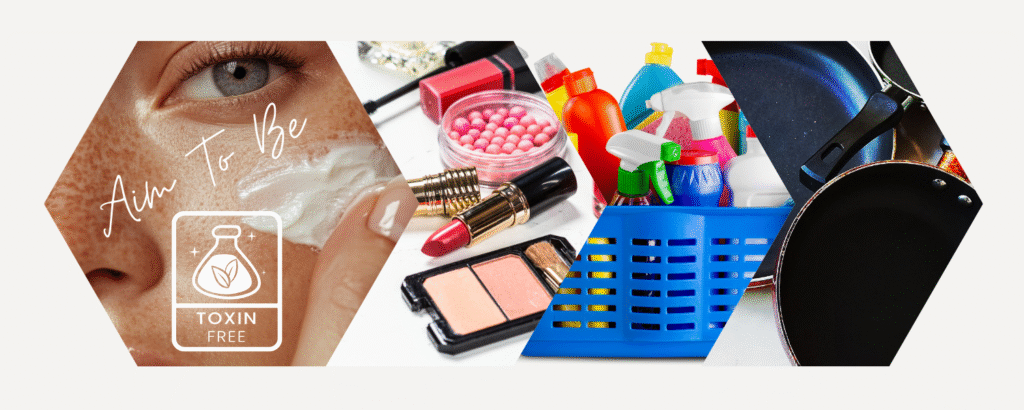
Our hormones run the show behind the scenes — from energy, mood, and sleep to metabolism and fertility. But here’s the catch: modern life is full of sneaky chemicals called endocrine disruptors that mess with our hormonal balance.
Think of them as unwanted party crashers in your endocrine system. The good news? Once you know the top offenders, you can start reducing your exposure.
Let’s break down the top 5 endocrine disruptors you should look out for:
1. BPA (Bisphenol A)
Where it’s found: Plastic bottles, canned food linings, receipts.
Why it’s a problem: BPA mimics estrogen, throwing off your natural hormone balance. Studies link it to infertility, obesity, and even thyroid dysfunction.
How to avoid it: Switch to stainless steel or glass containers. Say no to receipts when possible. Look for “BPA-free” labels, but be cautious — some replacements (like BPS) can be just as harmful.
2. Phthalates
Where it’s found: Personal care products (think fragrances, lotions, shampoos), vinyl, and plastics.
Why it’s a problem: Phthalates are known “anti-androgens” — meaning they lower testosterone. This can affect reproductive health, mood, and even childhood development.
How to avoid it: Choose fragrance-free or naturally scented products. Check labels for “phthalate-free.” Bonus tip: stick with clean beauty brands that disclose all ingredients. See EWG for safer options.
3. Parabens
Where it’s found: Skincare, makeup, shampoos, and even processed foods.
Why it’s a problem: Parabens mimic estrogen, which may disrupt menstrual cycles and increase the risk of breast cancer.
How to avoid it: Scan your labels for ingredients ending in “-paraben” (like methylparaben or propylparaben). Many natural brands are proudly paraben-free. See EWG for safer options.
4. Pesticides
Where it’s found: Conventionally grown produce, grains, and household pest sprays.
Why it’s a problem: Many pesticides act as endocrine disruptors, interfering with estrogen, progesterone, and thyroid hormones. Long-term exposure has been linked to fertility struggles and developmental issues.
How to avoid it: Buy organic when you can, especially for the “Dirty Dozen” fruits and veggies. Wash your produce thoroughly and consider using a veggie wash. See EWG for the “Clean Fifteen” of produce!
5. PFAS aka Forever Chemicals (Per- & Polyfluoroalkyl Substances)
Where it’s found: Non-stick cookware, stain-resistant fabrics, fast food packaging, and even drinking water.
Why it’s a problem: PFAS don’t break down (hence the nickname “forever chemicals”). They disrupt thyroid hormones, lower immunity, and have been linked to weight gain and cancer.
How to avoid it: Swap non-stick pans for stainless steel or cast iron. Use a water filter designed to remove PFAS. Skip stain-resistant sprays and fabrics when possible. Check your contact lenses! Yes, even some brands of contact lenses have PFAS. See here!
Final Thoughts
Endocrine disruptors are everywhere, but that doesn’t mean you’re powerless. Start small: swap your plastic water bottle for glass, choose cleaner skincare/cosmetics, and pay attention to labels. Over time, these little changes can make a big difference in protecting your hormones — and your health.


