
Zinc, Copper, and Histamine Intolerance: What’s the Connection?

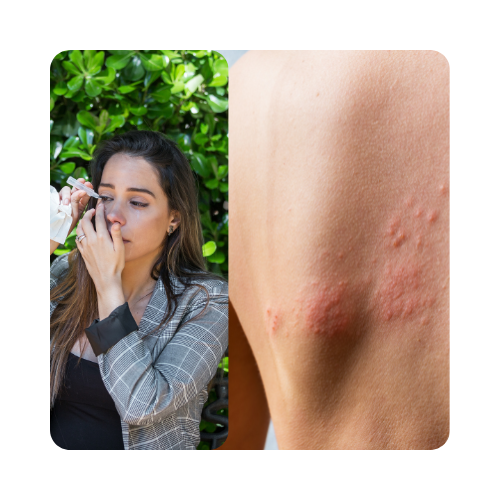
If you’ve ever dealt with mysterious allergy-like symptoms—stuffy nose, itchy skin, flushing after wine, or even random headaches—you might’ve stumbled across the word histamine in your health rabbit holes.
Histamine is a natural chemical your body uses for digestion, immune defense, and even brain signaling. But when it builds up too much, it can feel like you’re living in a perpetual allergy storm. Here’s the interesting part: your minerals—especially zinc and copper—play a surprisingly big role in how well you break down histamine.
⫸What Is Histamine Intolerance?
Histamine intolerance isn’t about having “too much histamine” in your body—it’s about your body not being able to break it down efficiently. This can lead to symptoms like:
- Headaches or migraines
- Skin flushing, rashes, or hives
- Digestive upset after certain foods
- PMS or hormonal mood swings
- Anxiety or brain fog
The balance of zinc and copper is one piece of this puzzle.
⫸Zinc: The Histamine Balancer
Zinc is like your body’s handyman—it repairs tissues, supports your immune system, and keeps hormones in check. When it comes to histamine, zinc matters because:
- DAO enzyme support: DAO (diamine oxidase) is one of the main enzymes that breaks down histamine in the gut. Zinc is a co-factor for DAO, meaning DAO can’t function properly without it.
- Balances copper: Zinc and copper act like siblings—when one rises, the other tends to fall. Balanced zinc keeps copper in check, which helps prevent copper-driven histamine release.
Zinc-rich foods include oysters, pumpkin seeds, beef, and lentils.
⫸Copper: The Double-Edged Sword
Copper is essential—you need it for energy, nervous system function, and connective tissue. But when copper gets too high, it can fuel histamine problems.
- Copper and mast cells: Excess copper can encourage mast cells (the immune cells that release histamine) to dump more histamine into circulation.
- Copper and estrogen: Women often notice histamine flares around PMS, perimenopause, or pregnancy. That’s partly because estrogen raises copper levels, indirectly contributing to histamine overload.
Sources of copper include liver, shellfish, nuts, and even copper pipes in your water supply. (If you have copper pipes, avoid using the water for drinking and cooking!)
⫸Signs Your Zinc–Copper Balance Might Be Off
Everyone’s different, but here are some common signs:
- Strong reactions to histamine-rich foods (wine, cheese, leftovers, fermented foods).
- Unexplained skin issues (itchiness, rashes, flushing).
- Headaches or migraines that seem random.
- Hormonal symptoms overlapping with histamine flares.
- Lab results showing high copper or low zinc.
⫸How Hair Tissue Mineral Analysis (HTMA) Helps
One powerful tool for uncovering hidden mineral imbalances is Hair Tissue Mineral Analysis (HTMA). Unlike blood work, which gives a snapshot of the moment, HTMA reflects mineral storage and trends over the past 3-4 months.
Why HTMA matters for histamine intolerance:
- Reveals zinc–copper balance – shows if you’re high in copper, low in zinc, or both.
- Identifies stress patterns – mineral shifts can reveal adrenal and thyroid stress, which affect histamine response.
- Tracks long-term changes – helps measure if diet or supplements are truly correcting imbalances.
For many people, HTMA fills in the missing piece of their histamine and hormone puzzle.
⫸Practical Tips for Supporting Balance
If you think zinc and copper are part of your histamine story, here are some simple starting points:
- Check your levels: Through HTMA or blood work, ideally both!
- Eat zinc-rich foods: Oysters, pumpkin seeds, beef, and legumes.
- Be mindful of copper intake: Watch for excess from supplements, diet, or even plumbing – copper pipes😉.
- Support hormone balance: Especially important for women during PMS, perimenopause, and menopause.
- Supplement smartly: Zinc can be helpful, but only when balanced with copper needs.
⫸Final Thoughts
Histamine intolerance isn’t always just about food triggers—it can also be about mineral imbalances. Zinc helps your body break down histamine, while too much copper can fuel histamine release. By using tools like Hair Tissue Mineral Analysis (HTMA), you can get a clearer picture of your zinc–copper balance and support your body in handling histamine more smoothly.


