
The Ultimate Guide to Zinc Supplements: Which Form is Right for You? ✨

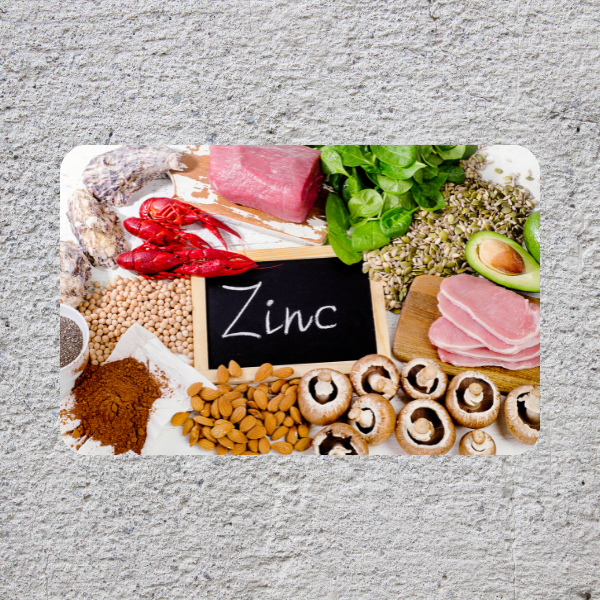
If you’ve ever stood in the supplement aisle and felt overwhelmed by all the different types of zinc… you’re not alone. Zinc deficiency is rampant today—affecting skin health, immunity, digestion, hormones, and even mental clarity. In fact, signs like hair loss, acne, poor wound healing, frequent colds, low stomach acid, white spots on nails, or even low mood can all point to zinc deficiency.
One of the most accurate ways to measure your zinc levels? HTMA (Hair Tissue Mineral Analysis). Unlike blood tests, which only show short-term levels, HTMA gives you insight into long-term mineral patterns and imbalances.
Here’s the catch: not all zinc supplements are created equal. Let’s break down the most common forms and when they shine. ✨
Different Forms of Zinc & Their Best Uses
1. Zinc Sulfate
Highly water-soluble and often used in clinical settings. Great for short-term use when correcting severe deficiency, but can cause stomach irritation for some.
2. Zinc Gluconate
Popular in cold lozenges. Supports immune defense and may shorten the duration of colds.
3. Zinc Acetate
Another star for immune health—especially in lozenges. It helps reduce the severity of cold symptoms by interfering with viral replication.
4. Zinc Citrate
Gentle on the stomach and well-absorbed. A good everyday option for general supplementation.
5. Zinc Glycinate
Known for high absorption and gut-friendliness. Great choice if you’re sensitive to stomach upset. Supports sleep, skin, and overall wellness.
6. Zinc Picolinate
Highly bioavailable form. Often recommended for skin health, immune balance, and hormone regulation.
7. Zinc Oxide
Not absorbed well internally but commonly used in sunscreens and diaper creams for its protective barrier properties.
8. Zinc Orotate
Bound to orotic acid, making it well-absorbed. May support cellular energy and tissue repair.
9. Zinc Carnosine
Excellent for gut health—protects stomach lining, supports ulcers, and soothes digestive inflammation.
Why Zinc Matters So Much
Zinc is a cofactor in over 300 enzymatic reactions in the body. It’s essential for:
- Strong immune defenses
- Hormone balance (testosterone, thyroid, insulin)
- Clear skin & healthy hair
- Wound healing & tissue repair
- Digestion & stomach acid production
With modern soil depletion and processed diets, many people simply don’t get enough.
Final Thoughts
If you’re supplementing with zinc, the best form depends on your goals—immune health, gut healing, skin, or general wellness. Pairing supplementation with HTMA hair testing helps ensure you’re getting what your body actually needs, without throwing other minerals out of balance.
References 📚
- National Institutes of Health (NIH) Office of Dietary Supplements: Zinc Fact Sheet
- Maares M, Haase H. (2020). Zinc and immunity: An essential interrelation. Arch Biochem Biophys, 633:108576.
Wessells KR, Brown KH. (2012). Estimating the global prevalence of zinc deficiency. Am J Clin Nutr, 95(6):1347–1356.


